

The National Parenting Support Commission (NPSC) is engaging parents across 98 schools and 74 early childhood institutions islandwide as part of ongoing efforts to strengthen parental involvement and improve educational outcomes for children.
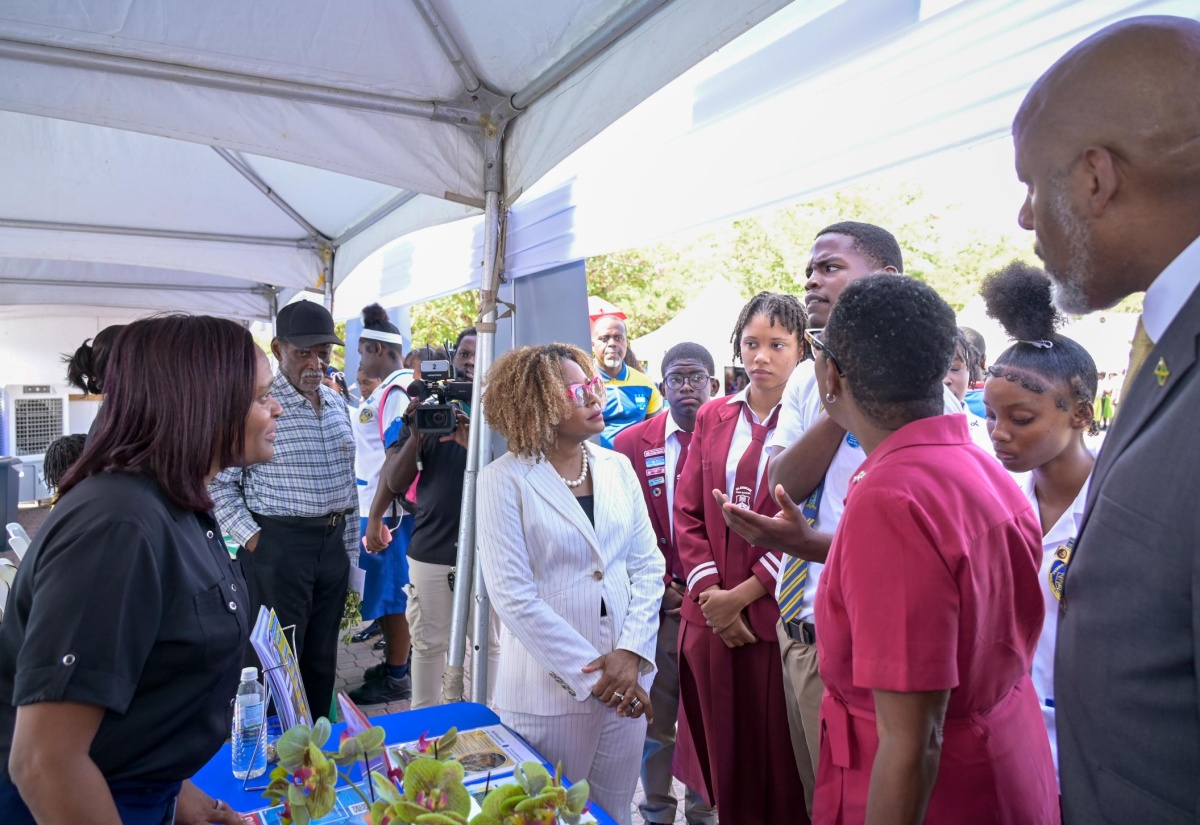
Minister of Education, Skills, Youth and Information, Senator Dr. the Hon. Dana Morris Dixon, provided the update during the official opening of the Parenting Village at the 2026 Best Practice Symposium for Social and Community Development, held at Emancipation Park in New Kingston on November 12.
She noted that the schools were identified as underperforming in academic outcomes, adding that the Commission is actively engaging parents to address challenges impacting student progress.
Dr. Morris Dixon pointed out that many of the difficulties experienced by students stem from home and community circumstances rather than a lack of academic ability.
“There are smart students everywhere… I see them as I go around the country. But there are issues in their communities and in their homes that will be keeping them back,” she said.
The Minister emphasised that upgrading physical learning environments and introducing classroom technology will fall short without active parental support.
“So no matter how much money we spend on making classrooms look nice and putting in technology in the classrooms, we’re not going to get the desired outcomes if we don’t have the parents supporting at the same time,” Senator Morris Dixon added.
At the early childhood level, the NPSC is also working with parents across 74 targeted institutions, selected to support children during their formative years and strengthen their future academic prospects.
Dr. Morris Dixon further shared that more than 2,000 parents and households have received psychosocial support, with 518 referrals coordinated to essential services, including housing assistance, social protection, employment skills training, and disability support.
“A lot of people don’t realise this, but the Government is actually working quite deeply with parents… and we have to deepen this,” she said.
The Minister noted that five model parent places are currently operating across Jamaica, providing families with access to psychosocial support and vital service referrals.
Through the United Kingdom (UK)-Jamaica Violence Prevention Partnership Programme, 2,000 additional parents and households received support between July and September in positive parenting, emotional well-being, conflict resolution, and violence prevention.
Senator Morris Dixon stressed that these interventions must be sustained and expanded to reach parents directly within their communities.
British High Commissioner to Jamaica, Her Excellency Alicia Herbert, reaffirmed the UK’s commitment to partnering with the Government of Jamaica through the Violence Prevention Partnership Programme, which focuses on tackling the root causes of violence.
She noted that positive parenting is fundamental to building safer communities, reducing violence, and creating opportunities for future generations.
“The Violence Prevention Partnership takes a different approach. It is based on the belief that violence can be prevented when we invest early in the conditions that help children and families to thrive,” High Commissioner Herbert said.
She outlined that this comprehensive approach includes supporting children’s educational development, improving access to mental health and psychosocial services, strengthening communities, and empowering parents and caregivers.
“The evidence discussed [during the] symposium reinforces this point. Positive and nurturing parenting helps children develop the confidence, resilience and the social skills that enable them to succeed,” the High Commissioner noted.
She added that such parenting also reduces children’s exposure to violence and adversity, helping to lay stronger foundations for safer communities.
Ms. Herbert noted that more than 5,000 parents and caregivers have already participated in parenting support initiatives through the programme.
She further indicated that the partnership reflects a broader commitment by Jamaica and the United Kingdom to reinforce the protective factors that help young people thrive while addressing risks that can lead to violence.
“Our ambition extends beyond individual programmes or activities. We want to support a future in which violence prevention becomes increasingly embedded across systems, services and communities,” she said.
High Commissioner Herbert reaffirmed the United Kingdom’s dedication to working alongside Jamaican partners to help build safer, more resilient, and more prosperous communities.